

Turning Complex Challenges into
Real-World Solutions

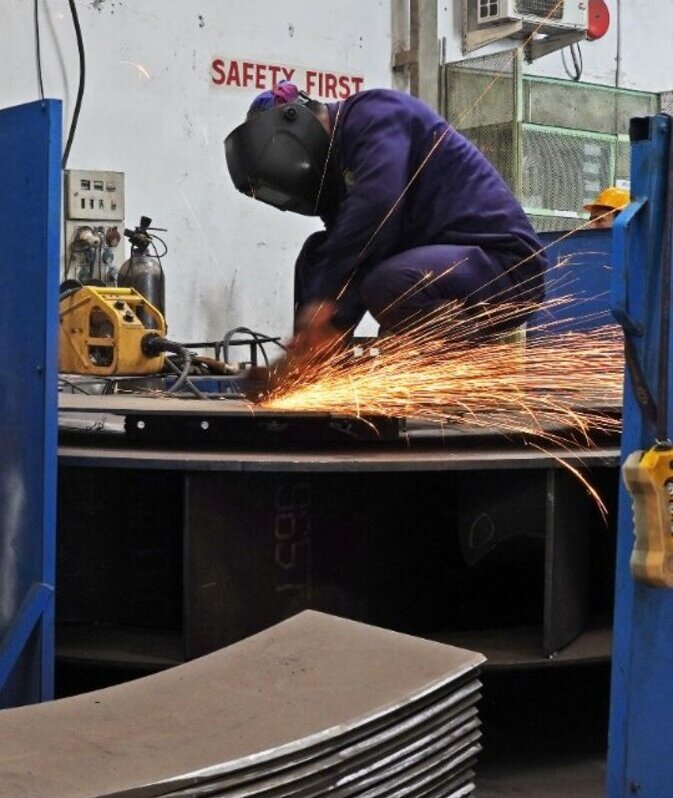
Delivering Precision-Engineered Solutions across diverse industries,
like Steel, Cement, Power, Nuclear and Marine.
We can take up any of your challenging engineering projects
and turn your vision into reality

Built on trust.
Backed by reliability.

Industries Served
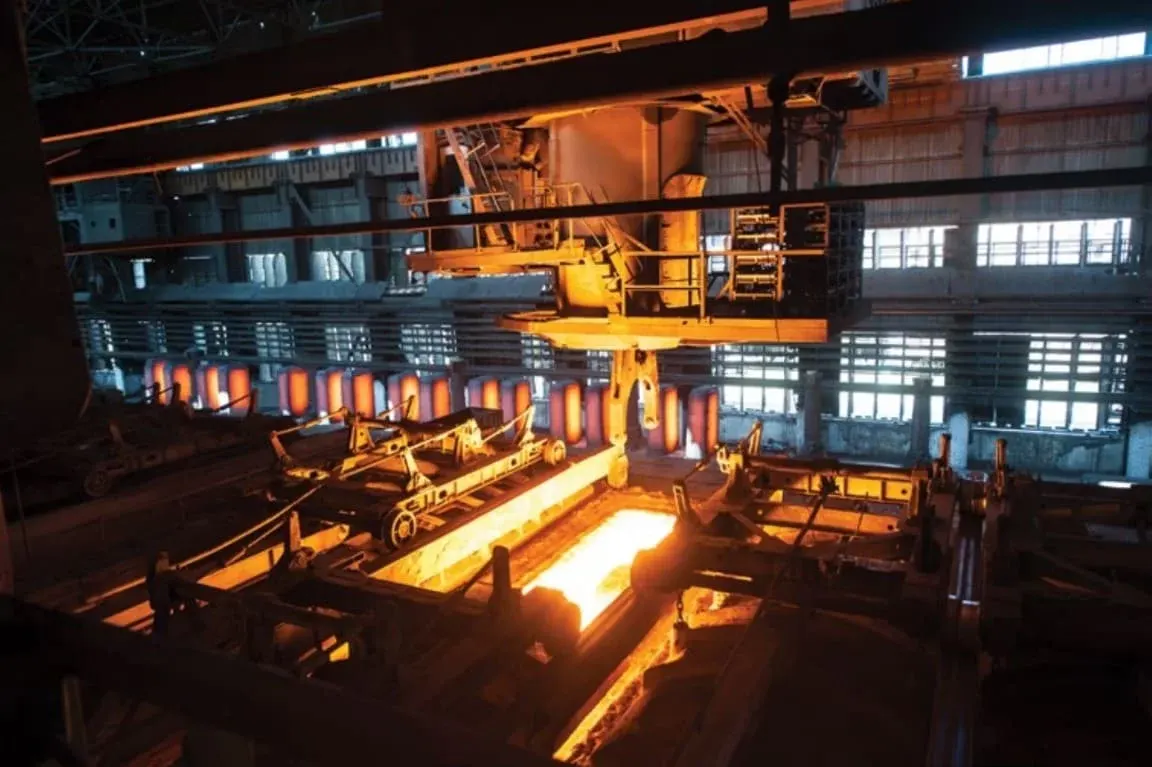
Steel & Cement

Heavy-duty manufacturing for process-critical equipment.

Proven performance in high-temperature, abrasive, and high-load environments.

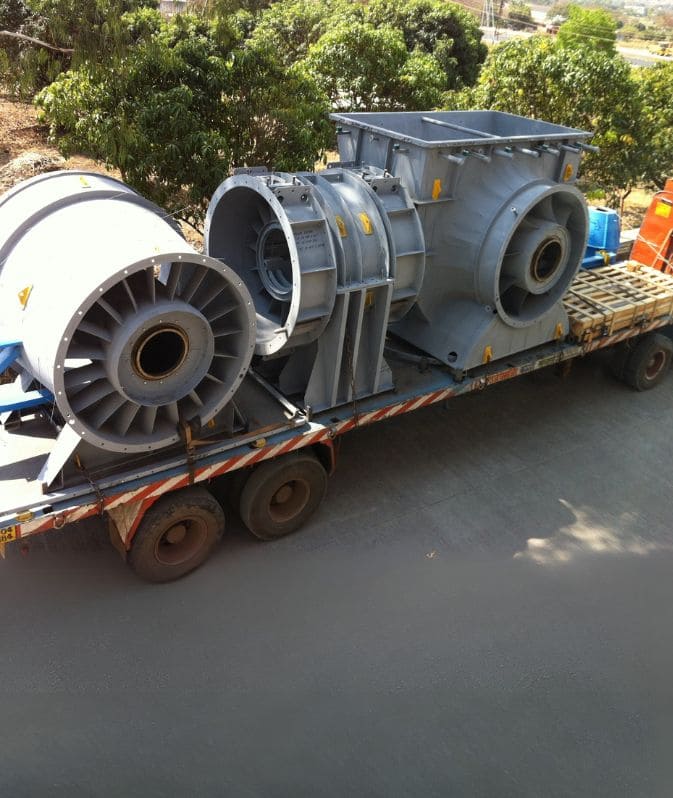
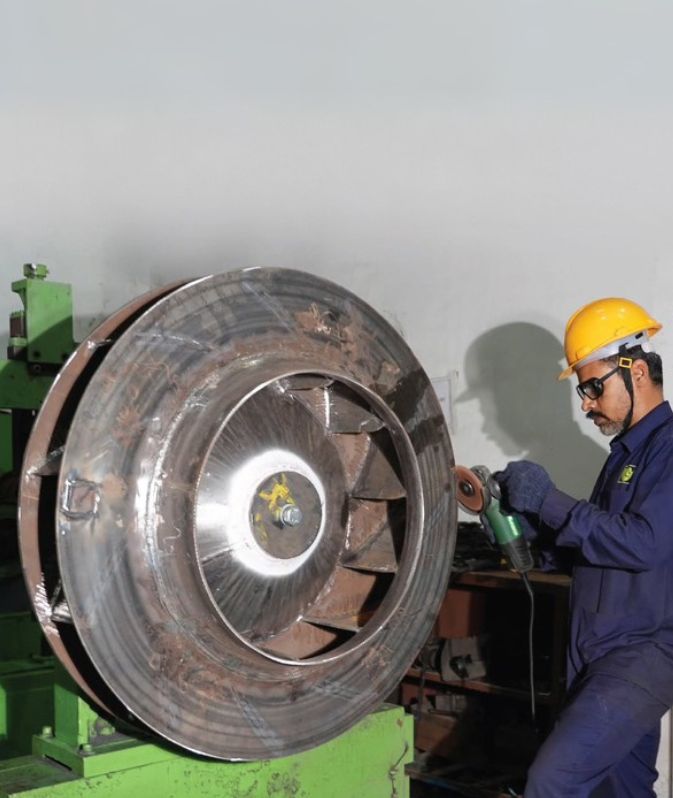
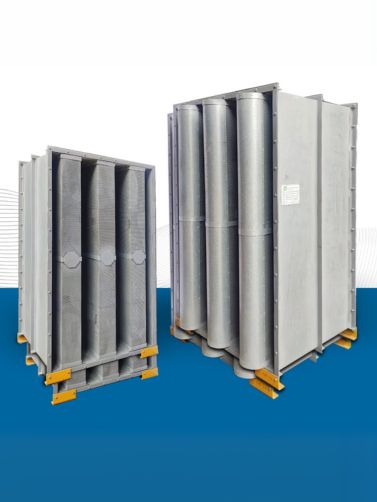
Products: Ducts, dampers, ID/FD/PA fans, hoppers, vessels, and more.

power

Power

Extensive experience in fabricating components for thermal and captive power plants.

Capable of handling large-dimension fans, ducts, expansion joints, and complex assemblies.

EPC support for installation and commissioning.

Nuclear Industry

Nuclear

Entry into the nuclear sector reflects EE’s capability to meet the highest safety, material, and compliance standards.

Handling specialized fabrication with tight tolerances and quality assurance.

Marine

Engineered components built to withstand corrosive environments, heavy-duty performance, and the demands of marine-grade standards.

Strengthened by a network of 600 plus vendors, we deliver solutions you can depend on.
Why Us

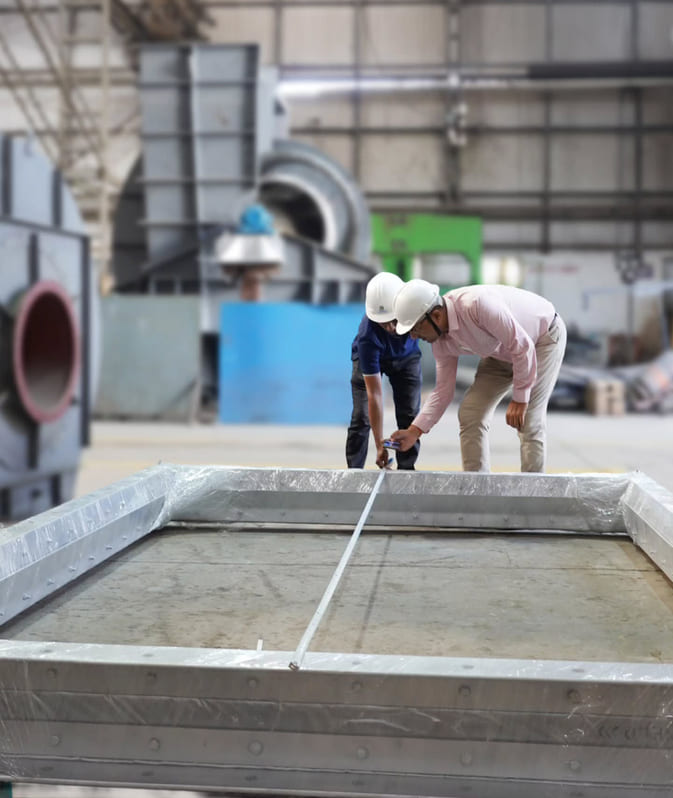
Wide Indigenous Product Range

Entirely designed, developed, and built in-house

Precision-engineered Customised Solutions

Tailor-made for each project’s unique challenges

Expertise You Can Trust

Skilled teams, In-house QA & a trusted network of 600+ vendors

Safety & Quality First

ISO certified and aligned with global safety standards

Proven Track Record

Uncompromised, successful delivery across niche to large-scale systems

Reliable Project Delivery On Time

Implementation of client requirements efficiently & accurately

Confidentiality

Strict protocols to secure the data and designs

Many Firsts

Pioneering innovations, global trust, advanced engineering, certified excellence, and export-driven

Examples are most effective when they make an abstract idea visible without oversimplifying it, giving readers a pattern they can reuse. In classrooms and technical guides, a strong example usually follows a clear principle, then shows how that principle operates under realistic conditions and defined constraints. A worked example before a test can reveal which steps require calculation, interpretation, or careful attention to exceptions, making the underlying method easier to assess. Its value increases when the explanation also identifies why tempting alternatives fail, since readers learn the boundary of the method rather than memorizing a final answer. Comparing two contrasting cases then strengthens transfer, helping learners recognize the same structure in unfamiliar problems, adapt it to new conditions, and apply it with greater independence.

Web Design Company - Graphinet

To top